
COP30: Time to deliver – from negotiations to implementation
Carbon markets enter reality – Article 6 and the end of CDM

Opening of the 30th Conference of the Parties (COP30) – photo by Raimundo Paccó/COP30
Forests, finance and nature-based solutions: new chances for long-term investment
Social dimensions, gender and just transitions – climate action beyond carbon
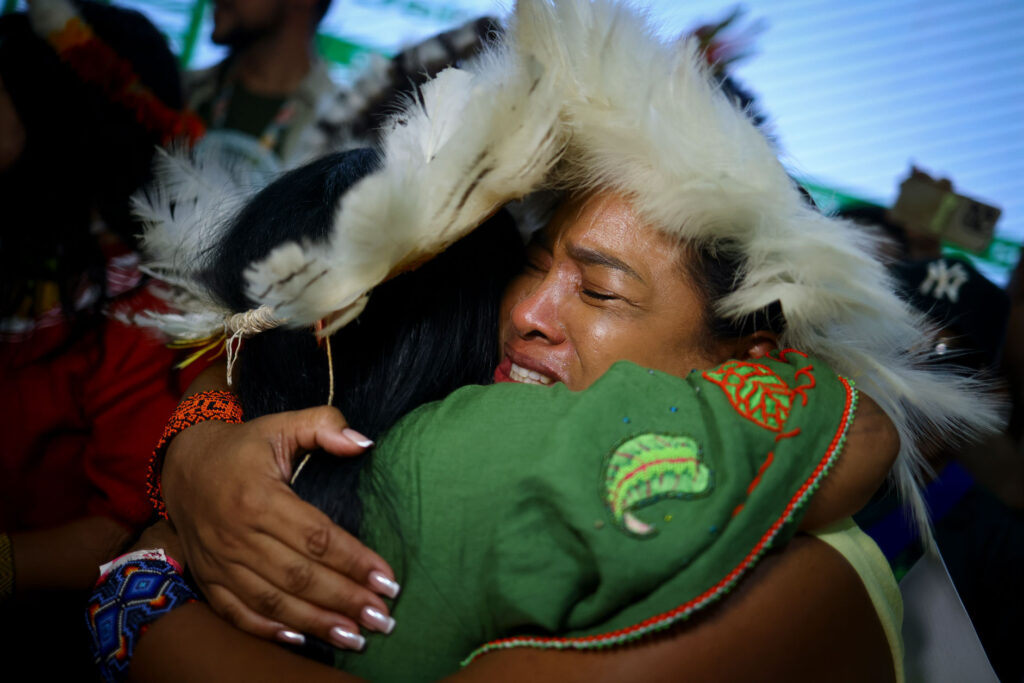
Sonia Guajajara, Minister for Indigenous Peoples of Brazil cries with a indigenous woman Angela Kaxuyana as they participate a signing ceremony for the delimitation of lands with National Foundation of Indigenous Peoples and the celebration of the declaration and homologation decrees for indigenous lands, at the 30th Conference of the Parties (COP30) – photo by Ueslei Marcelino/COP30
One of the more important shifts at COP30 was the stronger recognition of the social and human dimensions of climate action. Reducing emissions is no longer enough: climate strategies must be inclusive and sensitive to community realities. A new Gender Action Plan (2026-2034) paves the way for more inclusive participation of women and girls in climate projects. At the same time, the expanded concept of “Just Transition” acknowledges that sectors and regions dependent on fossil fuels or vulnerable to change need targeted support, whether through job creation, social safeguards, and/or capacity building.
What COP30 means for companies, projects and climate investors
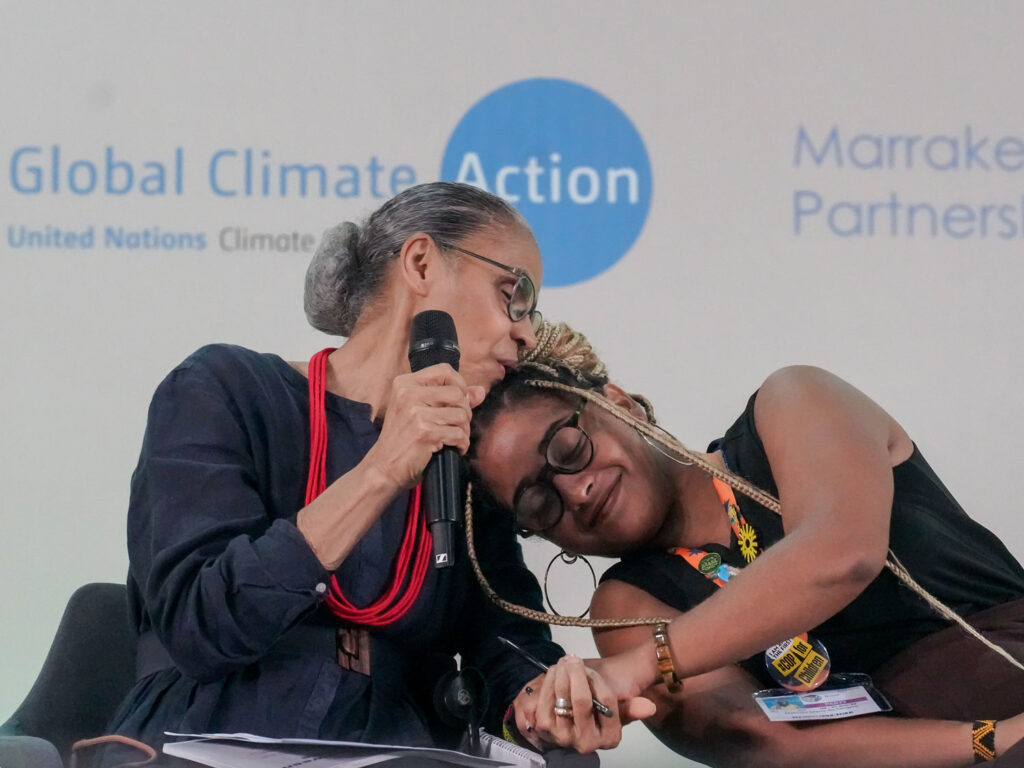
Building Bridges: Collaborative Climate Action under the Mutirão Spirit of COP30 – photo Rafa Neddermeyer/COP30 Brasil Amazônia/PR
COP30 did not deliver the grand breakthroughs some expected. There was no collective fossil-fuel phase-out roadmap, and no binding global commitment to end deforestation. Instead, the COP delivered something subtler: the architecture for action, finance, markets, and implementation. For businesses and climate-finance actors, this new landscape presents several opportunities:
- First, carbon markets under Article 6 are opening. Those who engage early, build strong baselines, ensure environmental and social integrity, and commit to transparency may help shape standards for years to come.
- Second, nature-based solutions are still in the spotlight. Long-term funds for forest protection, ecosystem restoration, and sustainable land use, including agroecology and regenerative agriculture, are likely to expand.
- Third, adaptation and social dimensions are becoming integral. Projects that combine mitigation, adaptation, community benefits, and gender-social inclusion are likely to stand out as especially valuable and future-proof.
- Finally, implementation matters more than ever. Reporting, verification, cooperation, and capacity-building – all become part of the climate-action toolkit. Delivering results will matter more than announcing intentions.
A new phase begins – welcoming the era of delivery
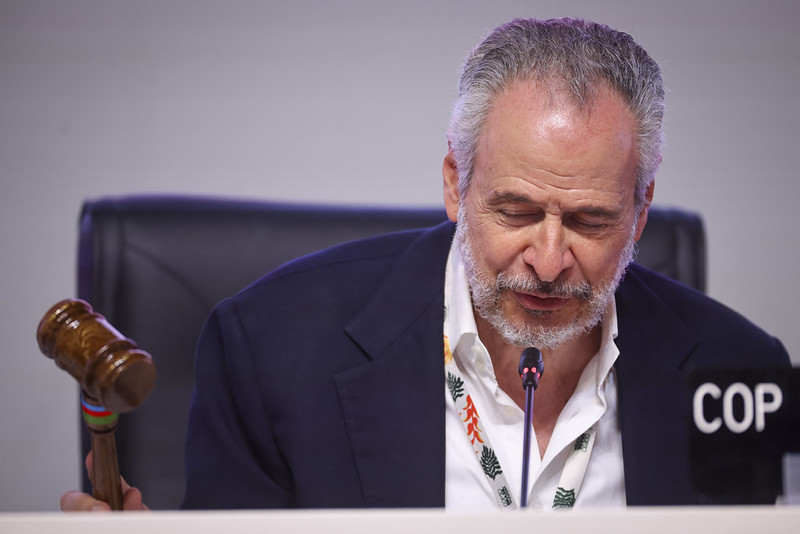
COP30 President Andre Correa do Lago during closing plenary meeting of the 30th Conference of the Parties (COP30) – photo by Ueslei Marcelino/COP30
COP30 may not have produced sweeping fossil-fuel phase-out commitments or global deforestation bans. But by closing the negotiation cycle and opening the implementation phase, it laid down a foundation for the next years. For Volkswagen ClimatePartner and our partners, project developers and investors, this is a moment to rise to the challenge: to design high-integrity carbon projects, support nature-based solutions, ensure social justice, and embed transparency and impact at every step.
For Volkswagen ClimatePartner and our partners, this is a moment to take on the practical work that implementation requires: to keep developing high-integrity carbon projects, strengthen nature-based solutions, and respond to community needs. It also means committing to transparent monitoring, reporting, and verification, sharing information openly, and working closely with local governments and agencies to ensure that project activities support national climate goals and contribute to long-term progress.