
Voices from the Project: Community impact and opportunity in South Africa’s Eastern Cape
Successful climate projects create benefits that extend beyond carbon sequestration. By supporting livelihoods, skills development and community resilience, ecosystem restoration can help strengthen both landscapes and the people who depend on them.
The Eastern Cape Restoration Project combines ecological restoration with a range of community initiatives, from food security and education programmes to training opportunities and local employment. At the centre of this work is a commitment to ensuring that restoration delivers tangible benefits for local communities.
In this interview, Manushka Moodley, VP Impact and Compliance, reflects on the human side of the project, sharing insights into community development, youth engagement and the local strengths that continue to drive positive change in Pearston and the surrounding area.

Dear Manushka, what inspired you personally to get involved in this project, and what keeps you motivated on difficult days?
I have always been deeply passionate about forestry, the environment, and people, and the Sand River Sanctuary brings all of these elements together. The project creates tangible change, not only in the landscape, but in the everyday lives of the people of Pearston. On difficult days, I return to why I entered this sector in the first place. I remind myself that even the smallest action can make a real difference for someone on the ground, whether it is a job created, access to fresh vegetables, or renewed hope through educational initiatives. Holding onto that perspective keeps me grounded and motivated.
What changes have you seen in the community that make you most proud?
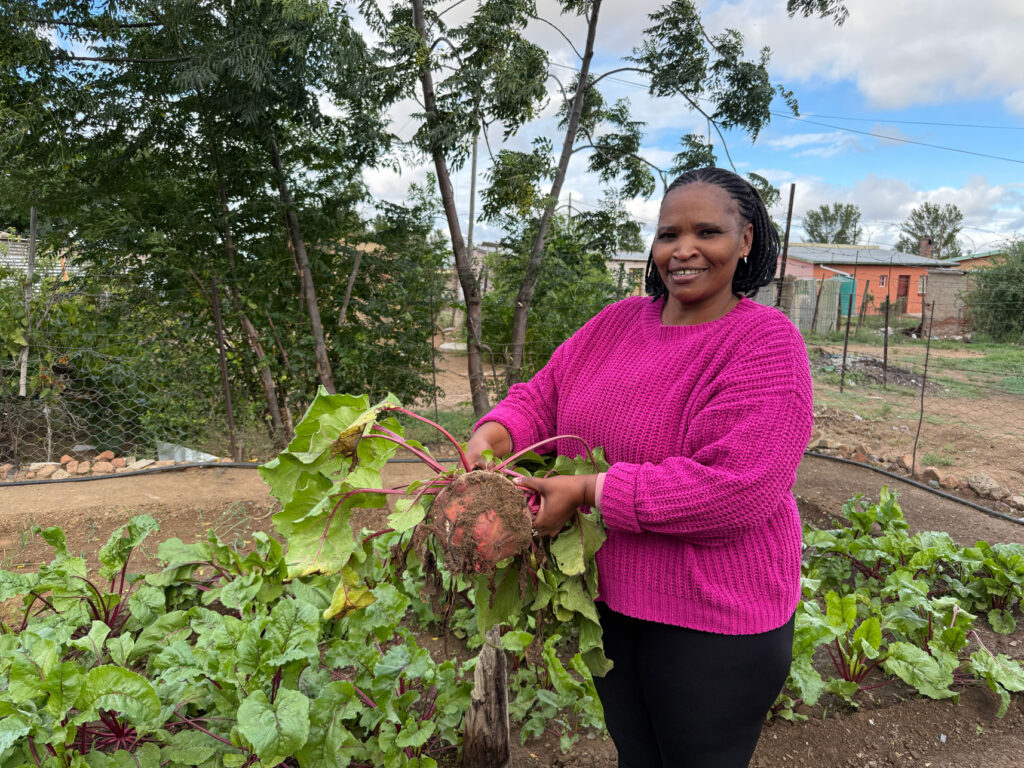
Since 2024, EcoPlanet has implemented a range of initiatives in Pearston and on Sand River Sanctuary, including food security, improved access to water, education, beekeeping, and healthcare. While all of these are important, I am especially proud of the food security work we have undertaken.
Through vegetable growhouses at Lukhanyiso Primary School and on Sand River, a field garden in Pearston, and household gardens supported through worker training, we have created a steady supply of fresh vegetables that were previously difficult to access. For a town where produce had to be sourced from over 50 kilometres away, this has made a positive impact in improving household budgets, strengthening food resilience, and bringing fresh, healthy food closer to home.
What matters most to me is the impact. Children are learning practical gardening skills they can take home to their families, workers are gaining knowledge and healthy food they can share with their families, and surplus produce is finding its way to local soup kitchens. Seeing food, skills, and dignity grow together like this is something I’m truly proud of.
When you work with the children and young people of Pearston, what do you hope they will carry into the future from this project?
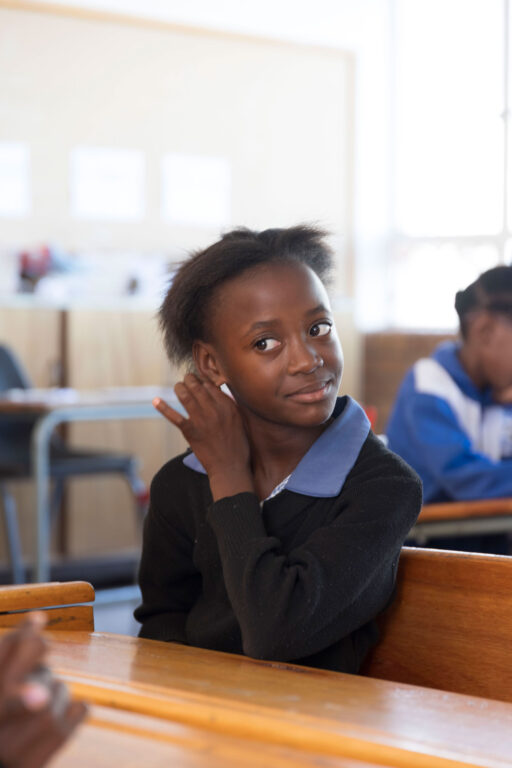
I hope they carry a sense of possibility with them into the future. I want them to understand that they have the ability to care for their environment and to create positive change within Pearston.
Alongside the practical and vocational skills, I hope they take with them confidence, curiosity, and pride in what they can achieve and in the knowledge that their actions matter, both for themselves and for the Pearston community.
What strengths or solutions within the community do you see that often go unnoticed?
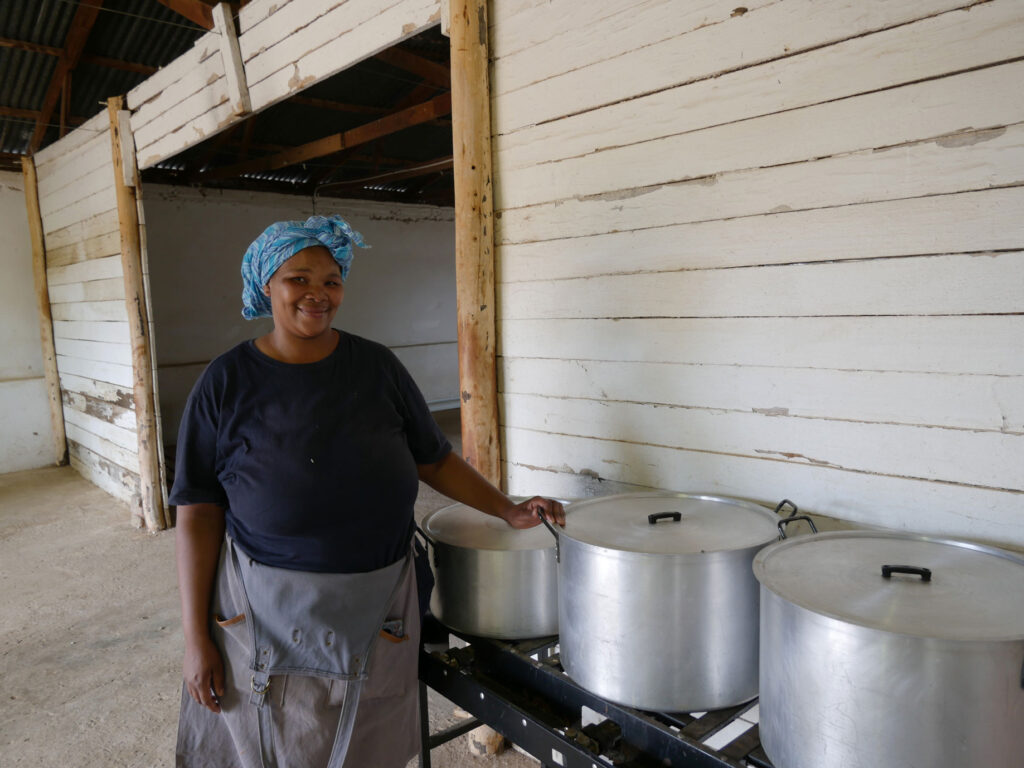
One of the most overlooked strengths in Pearston is the quiet resilience of the older generation. They have faced immense hardship over many decades and have a deep sense of responsibility for the town. They hold thoughtful ideas for upliftment, but often lack the technical support or resources needed to turn those ideas into action.
Explore more about the Eastern Cape Restoration Project in this video: